

[신년특별 인터뷰2] “각국 회원사 위해 언제든 목소리 낼 수 있어”
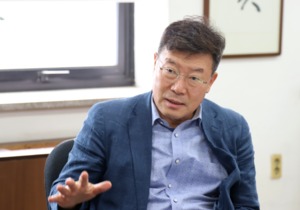
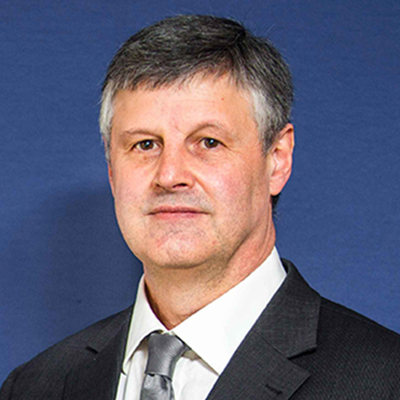 에드윈 바손 세계철강협회 사무총장.
본지는 지난달 에드윈 바손(Edwin Basson) WSA 사무총장(Director General)과 협회의 활동, 글로벌 철강 산업, 정부 정책 등 여러 주제를 놓고 서면인터뷰를 진행했다.
그는 탄소국경조정제도(CBAM) 같은 탄소 비용 부과 제도가 보편화될 가능성이 있는 가운데, 협회 철강사들이 탈탄소화를 위한 대(對)정부 목소리에 힘을 실어줄 수 있다고 말했다. 중국 철강사들은 중국을 겨냥한 각국의 공급과잉 호소를 알고 있고, 올해 철강 수출 허가제를 시행했지만 그 효과는 제한적일 것이라며 국제적 협력을 지속해야 한다고 강조했다.
바손 사무총장은 2011년 WSA 사무총장을 맡아 현재까지 직을 수행하고 있다. 남아프리카공화국 프리토리아대학교(University of Pretoria)에서 경제학 박사 학위를 취득, 1984년부터 1990년까지 같은 대학교에서 경제학을 강의했다. 이후 현지 철강사 이스코르(Iscor)에서 수석 이코노미스트, 도금강판·판재 부문 사업부 관리자, 전략 이니셔티브 총괄(Head, Strategic Initiatives)직을 수행했다.
2004년 미탈스틸(현 아르셀로미탈)에 합류해 마케팅 전략 담당 총괄 매니저로 근무했고, 2006년에는 아르셀로미탈에서 상업 조정, 마케팅 및 통상정책 담당 부사장(Vice-President, Commercial Coordination, Marketing and Trade Policy)을 역임했다.
Q. 2025년 협회의 주요 활동과 성과에 대해 설명 부탁드린다.
A. 지난해 협회가 특히 자부심을 가질 만한 성과로는, 글로벌 철강산업을 대상으로 한 ‘지속가능성 지표(Sustainability Indicators)’를 확대한 것을 꼽을 수 있다. 2024년 8개였던 지표를 지난해 19개로 늘렸다. 새로 추가된 지표에는 황산화물(SOx) 배출집약도, 질소산화물(Nox) 배출집약도, 분진 배출집약도 등이 포함됐다.
또 지난해 처음으로, 우리가 공개하는 ‘산업 및 공정별 CO2 집약도’ 지표가 이산화탄소(CO2)를 넘어 메탄(CH4)과 아산화질소(N2O)까지 포괄하도록 확대했다. 더 나아가, 상류 단계인 광산 채굴 활동에서 발생하는 온실가스 배출까지 포함했다.
따라서 우리 철강업계가 (수요 산업, 정부 기관 등) 이해관계자들의 요구에 부응해 보고의 투명성이 한층 강화됐다고 자부심을 갖고 말할 수 있게 됐다.
Q. 협회는 서로 이해 관계가 다를 수 밖에 없는 각국의 수많은 철강 제조사, 협회들을 회원으로 두고 있다. 공통의 목표, 공통의 이해를 도출하기 어려운 구조라는 생각이 든다. 그럼에도 세계철강협회가 존재해야만 하는 이유는 무엇인가?
A. 글로벌 철강산업 내에는 다양한 이해관계와 과제가 존재한다. 하지만 협회는 지속가능성, 혁신, 글로벌 경쟁력과 같은 장기적 목표에 초점을 맞춤으로써 업계가 공동의 목표 의식을 가질 수 있도록 돕고 있다.
또 중재자, 대변자, 연구자, 교육자로서 역할을 수행함으로써 협력을 촉진하고, 철강산업이 변화하는 시장에 적응하고, 기술적, 환경적 요구에 대응할 수 있게 하고 있다.
세계철강협회의 가치는 서로 다른 이해관계자들을 한자리에 모으는 것에 그치는 것이 아니라, 산업 전반의 개선을 이끌어 산업은 물론 더 넓게는 사회 전체에도 도움이 되는 변화를 만들어 내는 역량에 있다.
Q. 세계 각국에서 공급과잉을 호소하고 있다. 그리고 대부분이 중국을 그 원인으로 지목하고 있다. 경제협력개발기구(OECD)는 매출 대비 중국의 철강 보조금 비율이 OECD 국가보다 10배 높다면서 이를 “비시장적”이라고 지적하고 있다. 현재 협회엔 중국강철협회(CISA)와 중국 주요 철강제조사들이 회원으로 참여하고 있다. 혹시 이들은 세계 각국의 호소를 알고 있는가?
A. 협회는 글로벌 철강산업에 영향을 미치는 주요 현안에 대해 회원사들과 정기적으로 소통하고 있으며, OECD 철강위원회(Steel Committee) 회의에도 참여하고 있다.
중국 철강사들과 협회는 글로벌 철강 과잉공급과 이 문제에서 중국이 차지하는 역할을 두고 다른 국가들이 제기하는 우려를 분명히 인지하고 있다. 그리고 중국 회원사들은 이러한 우려를 둘러싼 국제적 논의가 계속 진행되고 있다는 점도 알고 있다.
Q. 중국 정부가 올해 1월부터 철강 제품 300종에 대해 수출 허가제를 시행하고 있다. 이 조치가 올해 글로벌 공급 과잉을 해소하는 유의미한 조치가 될 수 있을지에 관해 업계는 반신반의하고 있다. 협회는 이 조치를 어떻게 평가하나?
A. 협회는 일반적으로 어느 철강 생산국의 정책에 관해서 평가나 논평을 하지는 않지만, 이 질문에 답한다면, 수출 허가 제도는 단기적으로 중국의 수출을 줄이는 효과를 낼 수는 있겠지만, 보다 근본적인 변화와 글로벌 생산 관행에 대한 국제적 협력 없이는 과잉 생산능력 문제를 크게 해결하기는 어려울 수 있다고 본다.
Q. 협회의 올해 계획과 목표에 대해 설명 부탁드린다.
A. 지난해 협회는 철강산업 외부 인식(reputation) 조사를 시작했다. 협회는 철강산업과 소재로서의 철강을 외부에서 어떻게 바라보는지 알기 위해 글로벌 리서치 기관인 입소스(Ipsos)와 함께 약 3년마다 이 조사를 수행한다. 조사는 한국을 포함해 전 세계 주요 철강 생산국과 지역에서 진행되며, 결과는 협회의 핵심 메시지(key messages)를 만드는데 활용된다. 이 핵심 메시지들은 정기 발간물인 ‘steelFacts’에 담긴다.
협회는 이번 조사를 통해 철강산업에 대한 외부의 인식이 어떻게 달라졌는지 확인하게 되기를 기대하고 있다. 이후 협회는 이러한 인식 변화에 맞춰 협회 콘텐츠의 상당 부분을 개정하고 재구성할 것이다.
Q. 올해 글로벌 철강 산업에 영향을 미칠 요인들에는 어떤 것들이 있다고 보는가?
A. 늘 그렇듯, 글로벌 경제성장이 중요할 것이다. 주요 경제권이 견조한 성장세를 보인다면 철강 수요가 늘어, 앞선 질문에서 논의한 과잉 생산능력 문제를 완화하는 데 도움이 될 수 있다. 이와 관련해 지정학적 긴장과 그에 따른 통상 이슈도 앞으로 계속 헤드라인을 장식할 것으로 보인다.
이런 흐름이 이어지는 가운데, 지속가능성 관련 규제는 철강산업이 친환경 방식으로의 전환을 강화하도록 압박하겠지만, 그 전환엔 상당한 투자와 기술 혁신, 그리고 정부·기업·소비자 간 협력이 필요하다.
올해 말까지 저탄소 제강 방식이 더욱 폭넓게 채택되고, 저탄소 철강에 대한 시장 수요가 증가하는 것을 볼 수도 있을 것이다.
Q. CBAM이 올해부터 본격 시행되고 있는 가운데, 영국도 CBAM과 비슷한 제도 도입을 준비하고 있는 것으로 알려졌다. 협회는 CBAM처럼 수입품에도 탄소 비용을 부과하는 제도가 전 세계적으로 더 확산될 가능성을 어떻게 평가하는가?
EU의 CBAM과 영국의 제도는 초기 신호로 볼 수 있다. 기술 발전, 통상 정책, 국제 협력이 기후 행동을 뒷받침하는 방향으로 가는 점을 고려하면, 탄소 비용 부과 제도가 전 세계적으로 더 확산될 가능성은 상당히 높다고 생각한다. 다만 도입 속도는 정치 상황, 경제적 고려, 그리고 국제 통상 여건의 전개에 따라 달라질 것으로 본다.
Q. 전 세계 철강업계는 수소환원제철로의 전환 등을 포함해 탄소 중립을 향해 상당한 노력을 기울이고 있다. 하지만 철강업계의 노력만으로는 달성하기 어렵고 정부 지원이 필수라는 인식도 널리 퍼져 있다. 협회는 이에 대해 어떤 생각을 가지고 있는가? 협회 회원사들의 정부에 대한 호소에 협회도 힘을 실어줄 수는 없을까?
A. 철강산업의 탈탄소화는 철강업계의 노력, 철강업계가 정부 지원을 받는 것만으로 충분하지 않으며, 공급망 전반 상·하류가 모두 참여하는 전면적 협력을 필요로 한다는 것이 협회의 일관된 입장이다.
철강업계는 저탄소 철강에 필요한 혁신적 기술을 개발할 수 있지만, 고객 측에서 분명한 수요 신호가 나오지 않고, 정부가 친환경 에너지 비용과 가용성 문제 등 여러 분야에 걸쳐 명확한 정책을 제시하지 않는다면, 전환은 이뤄지지 않을 것이다.
두 번째 질문에 답하자면, 협회는 확실히 정부와의 정책 논의에서 회원사들의 목소리에 힘을 보탤 수 있다. 협회는 공개 성명, 발간물, 보고서 등을 통해 전 세계 철강 관련 정책에 영향을 미치길 바라고, 회원사들의 우려가 국제적 수준으로 반영될 수 있는 환경을 만들길 희망한다.
Q. 한국에서는 최근 미국처럼 국가안보를 근거로 철강 수입관세를 도입해야 한다는 주장이 있었다. 시장 경쟁 질서를 왜곡해서는 안된다는 것에는 모든 국가들이 동의하는 바다. 국가안보 고려와 시장 경쟁 원칙은 양립 가능하다고 보나?
A. 협회는 자유롭고 공정한 경쟁을 지지하고 옹호한다. 국경을 넘나드는 철강 무역이 계속해서 이어지고 철강산업의 국제성이 유지되기를 바란다. 질문에 대해 직접 답하면, 양립 가능하다. 국가안보 고려와 시장 경쟁 원칙은 공존할 수 있다. 하지만 균형이 필요하다. 정부는 핵심 소재 공급 안정성 확보의 중요성과 시장의 작동 그리고 국제 통상 관계를 훼손할 때 발생할 수 있는 잠재적 비용을 저울질함에 있어 신중해야 할 것이다.
Q. 한국 철강사들에 전하고 싶은 메시지가 있다면?
A. 한국 철강산업이 2026년을 맞이한 가운데, 산업이 성공을 이어가기 위해선 지속가능성, 기술 혁신, 글로벌 경쟁력에 초점을 맞춰야 할 것이다. 철강사들은 기술 발전의 영역을 더욱 넓혀 가는 동시에 환경에 미치는 영향을 줄이는 데 집중해야 한다. 한국 철강업계에 행운이 있길 바란다. 업계의 누구든 의견이 있고 질문이 있다면 협회에 말해달라.
(이하 인터뷰 원문)
Q. 2025 is drawing to a close. You have worked very hard over the course of the year. Could you briefly summarize the World Steel Association’s major activities and achievements during 2025?
A. One thing that I think worldsteel can be particularly proud of this year is that we have expanded our Sustainability Indicators for the global steel industry, increasing them from last year’s 8 to this year’s 19. The new indicators include SOx emissions intensity, NOx emissions intensity, dust emissions intensity, and others. For the first time this year, our published industry and route-level CO2 intensity indicator goes beyond carbon dioxide (CO2) to also cover methane (CH4) and nitrous oxide (N2O), as well as emissions of the same from upstream mining activities. This work, alongside the publication of our updated climate change policy paper, means that the industry can collectively and proudly make the claim that our reporting is meeting new levels of transparency in response to the demands of our stakeholders.
Q. The World Steel Association brings together steel producers and associations from many different countries, each with its own perspectives and priorities. This can make it challenging at times to build shared understandings or common objectives. In this context, how would you describe the role and value of the World Steel Association today?
A. Despite the diverse interests and challenges within the global steel industry, worldsteel helps create a sense of shared purpose by focusing on long-term goals such as sustainability, innovation, and global competitiveness. By acting as a mediator, advocate, researcher, and educator, worldsteel facilitates cooperation and ensures that the steel industry can respond to evolving market, technological, and environmental demands. Its value lies not only in its ability to bring together diverse stakeholders but also in its capacity to drive industry-wide improvements that benefit both the sector and society at large.
Q. Many countries are expressing concern about global steel oversupply, and most of them point to China as the main cause. The OECD has stated that China’s steel subsidies, measured as a share of revenue, are ten times higher than those of OECD countries and has described them as “non-market.” Chinese steel associations and major Chinese steel producers are currently members of the World Steel Association. Are they aware of the concerns being raised by other countries?
A. Yes, Chinese steel producers and associations are certainly aware of the concerns being raised by other countries about the global steel oversupply and the role of China in this issue. worldsteel regularly communicates to its members on key issues affecting the global steel industry, and we participate directly in the meetings of the OECD Steel Committee. Our Chinese members are informed of the ongoing international dialogue around these concerns.
Q. The Chinese government has announced that it will introduce an export licensing system for 300 steel products starting next January. Across the global steel industry, there is skepticism as to whether this measure will meaningfully help alleviate global oversupply. How does the World Steel Association assess this policy?
A. We are generally not in the business on commenting on the national policies of any steel-producing countries, but indeed while the export licensing system may reduce Chinese exports in the short term, it may not to significantly address the overcapacity problem without more fundamental changes and international cooperation in global production practices.
Q. Could you explain the World Steel Association’s plans and objectives for 2026?
A. This year we began the process of the next round of reputation research. worldsteel carries out this research with Ipsos roughly every three years to get insight into how the outside world views the steel industry and steel as a material. The research is carried out in the top steel-producing countries and regions around the world, including Korea, and the results are used to update our key messages. The key messages are used as the chapters in our #steelFacts publication and are supported with proof points. I am looking forward to receiving the final results to see how the outside worldsteel’s perceptions of the steel industry has changed. We will then have to update and reorganise much of our public content in response to these changing perceptions.
Q. What factors do you believe will have the greatest impact on the global steel industry next year?
A. As always, global economic growth will be important If major economies experience strong economic growth, demand for steel could rise, mitigating the overcapacity problem we discussed in the previous question. Related to this, geopolitical tensions and related trade issues will continue to make headlines I think. While all this is going on, sustainability regulations will push the steel industry toward cleaner practices, but the transition will require significant investment, technological innovation, and collaboration between governments, companies, and consumers. By the end of next year, we may start to see more widespread adoption of low-carbon steelmaking methods and increased market demand for low-carbon steel.
Q. CBAM will be fully implemented from next year, and the United Kingdom is also reported to be preparing a similar mechanism. How does the Association assess the likelihood that carbon-cost charges on imports, like CBAM, will become more widespread globally?
A. Indeed, the EU’s CBAM and the UK’s similar mechanism are early indicators of a trend that makes me believe that the likelihood of carbon-cost charges becoming more widespread globally is quite high, especially as technology, trade policy, and international cooperation evolve to support climate action. However, the pace of adoption will depend on political negotiations, economic considerations, and international trade dynamics.
Q. Steel industries around the world are making significant efforts toward carbon neutrality, including transitions to hydrogen-based steelmaking. However, there is a widespread view that this cannot be achieved through the steel industry’s efforts alone and that government support is essential. What is the Association’s view on this? (More frankly, does the World Steel Association see a role for itself in lending weight to its members’ appeals to governments?)
A. It's always been our view that the decarbonisation of the steel industry will require not just the steel industry, and not just the steel industry with governmental support, but in fact full cooperation up and down the supply chain. The steel industry can develop the breakthrough technologies necessary for low-carbon steel for example, but without a strong demand-side signal from customers and clear governmental policies on a whole range of things, not least the cost and availability of low-carbon energy, then the transition won’t take place.
To answer the second part of your question, worldsteel can certainly amplify the collective voice of our members in policy discussions with governments. Through our publications, reports, and public statements, we hope to influence global steel-related policies and foster an environment where our members’ concerns are heard at the international level.
Q. In Korea, there have recently been arguments that steel import tariffs should be introduced on national security grounds, similar to those in the United States. While there is broad agreement that market competition should not be distorted, is it possible for national security considerations and market competition principles to coexist?
A. At worldsteel we believe in and advocate for free and fair competition and would like to see the steel industry remain truly international and to see steel products continue to cross borders. To answer your question directly though, yes, national security considerations and market competition principles can coexist, but it requires balance. Governments must carefully weigh the importance of ensuring a secure and resilient supply of critical materials against the potential costs of disrupting market forces and international trade relationships.
Q. As Korea’s steel industry heads into 2026, is there a message you would like to share with Korean steelmakers?
A. As Korea’s steel industry moves into 2026, the key to success will lie in sustainability, technological innovation, and of course global competitiveness. Steelmakers should focus on reducing their environmental impact while pushing the boundaries of technological advances. I wish you the best of luck and invite anyone in your industry to contact worldsteel with any questions or comments.
관련 뉴스
이야드 고객센터
경기 시흥시 마유로20번길 97